What to check before booking an atv ride dubai
Booking an off-road ride is easy to do in a few minutes, but the details you check first shape the whole experience. A desert outing can feel very different depending on the route, the pace, the vehicle, and the safety setup. Before you confirm an atv ride dubai, look past the photos and read the practical points that affect comfort and safety.
The aim is not to turn the decision into a complicated task. It is simply to match the ride to the people going, the time available, and the level of adventure wanted. A first-time rider, a parent planning a family outing, and an experienced rider looking for a longer desert trail all need slightly different information.
Rider rules and eligibility
Start with who is allowed to ride. Age limits, licence expectations, and supervision rules can vary by operator and by vehicle type. An all-terrain vehicle is not a casual playground toy, so the rider needs the size, strength, and judgement to control it. If children are part of the group, check whether they can drive a smaller vehicle, ride as passengers, or only take part in a separate activity.
Also check whether each person needs their own booking slot. Some activities are priced per rider, while others may include shared time or a passenger arrangement. This is one of the places where a clear booking page helps. On atvridedubai.com, the details shown at the time of reservation should be read carefully, especially any notes about rider requirements and participant numbers.
Vehicle type and riding style
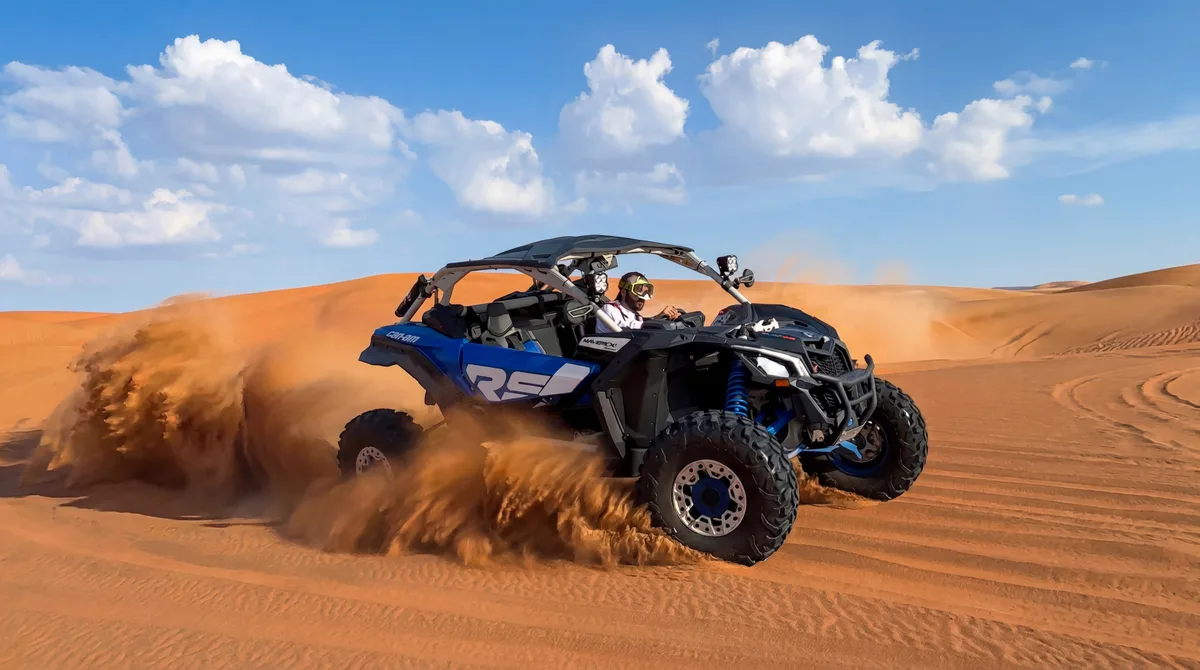
Not every ride uses the same machine. An ATV quad bike is usually built for a single rider and gives a more direct, hands-on feel. A buggy or side-by-side may suit people who want a passenger, more seating space, or a different driving position. The term off-road experience covers a broad range, so it helps to know which vehicle is involved before paying.
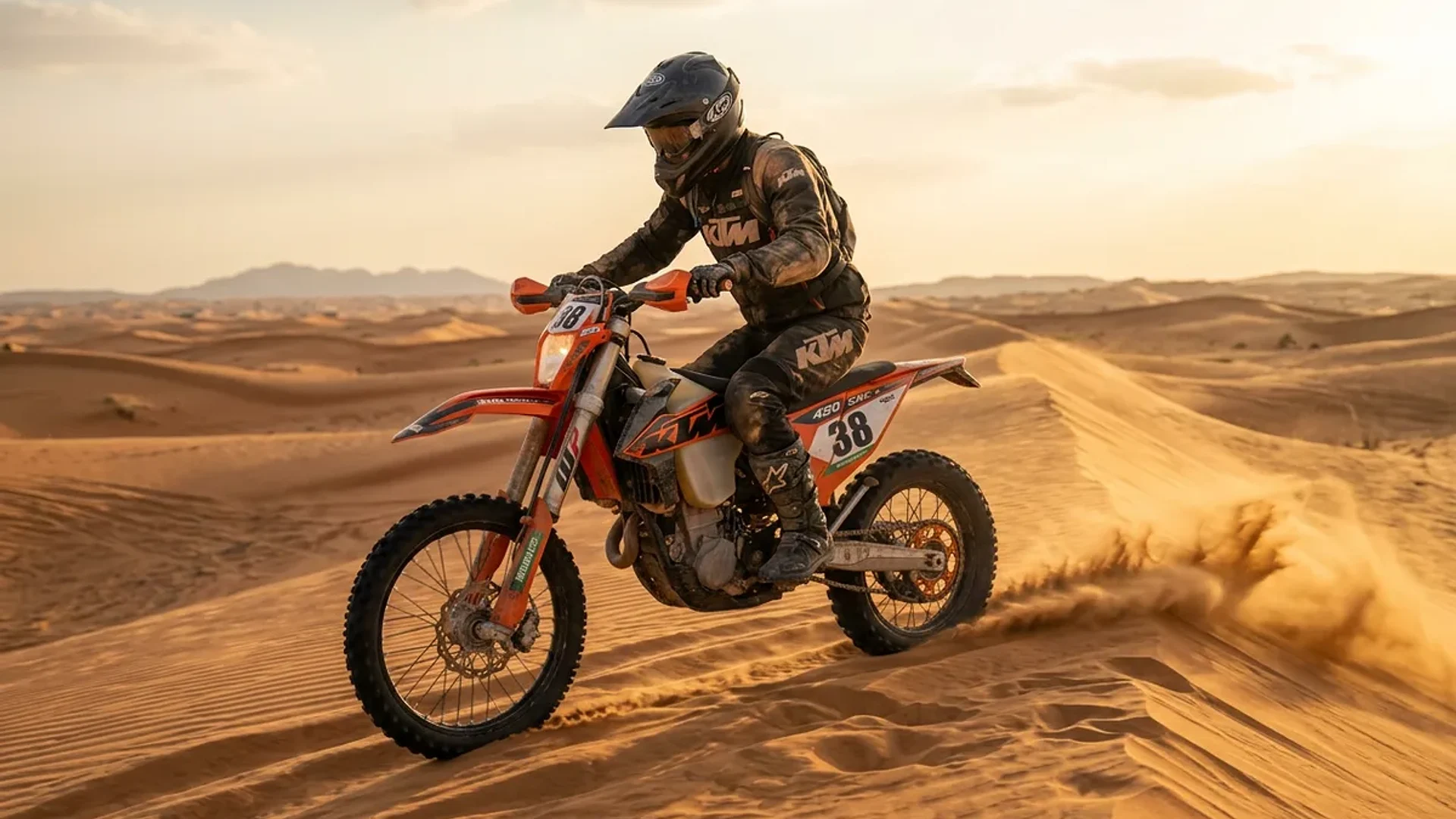
Think about the riding style too. A short introductory loop may be enough for someone who wants a taste of the desert. A longer sand dune track with stops and varied terrain suits riders who want a fuller outing. Faster groups can feel uncomfortable for cautious riders, while slower groups can frustrate people with more experience. Ask what pace is expected and whether the route is adjusted for beginners.
Safety gear and briefing
Helmet safety is a core part of any responsible ride. Check that helmets are provided, fit properly, and are worn for the full activity. A helmet that shifts around or sits too low over the eyes can distract a rider, so it is worth asking for a different size if the first one feels wrong. Gloves, eye protection, and closed-toe footwear can also make the ride more comfortable, especially in sand and dust.
A short briefing should explain hand signals, stopping distance, how to handle uneven ground, and what to do if the group separates. The briefing matters more than many people expect. The desert changes underfoot, and a rider who understands the basic controls is less likely to panic on a slope or loose patch.
Route, duration, and timing
Read the description of the route with a practical eye. Words such as desert trail, open sand, dunes, and scenic stops suggest different experiences. A route with many turns and soft sand asks more of the rider than a flatter path. If the plan includes photo stops, check how long they last and whether they are part of the booked time.
Duration should be checked in a clear way. Confirm whether the listed time means total time from arrival, time on the vehicle, or driving time only. That distinction matters when you are fitting the ride around other plans. Also look at the start time. Morning and late afternoon often feel more comfortable than the middle of the day, though availability and personal preference play a part.
What is included and what to bring
Before booking, separate what is provided from what you need to arrange. The basics to look for include the vehicle, safety equipment, a briefing, and some form of route supervision. Extras may vary, so avoid assuming that photos, refreshments, transport, or protective clothing are part of the package unless the booking details say so.
Packing light is usually best. Wear comfortable clothes that allow movement, closed shoes that stay on the foot, and eye protection if you are sensitive to dust. Bring a small bag for personal items, and avoid loose scarves or dangling accessories that could catch. In warm weather, water before and after the ride is sensible. If you wear glasses, make sure they sit securely under eyewear or a helmet.
Group size and supervision
A guided tour can make the route easier to follow and help riders stay together. Check whether the ride is led by a guide, how the group is organised, and what happens if riders have different abilities. Smaller groups often feel calmer, especially for newcomers. Larger groups can still work well if they are managed clearly and the pace is sensible.
Ask how mixed abilities are handled. A group that includes confident riders and first-timers needs patience and clear spacing. If the activity allows only one rider per vehicle, that also changes the feel of the outing. A single rider has more control over the machine but less shared decision-making, so the briefing and route rules become more important.
Booking terms and practical details
Read the reservation terms before confirming. Look for the meeting point, arrival time, what happens if you are late, and how changes are handled. These points are not the exciting part of the trip, but they prevent avoidable confusion on the day. If the booking asks for rider names or identification, make sure every participant is listed correctly.
Weather can affect off-road plans. Sand conditions, wind, and heat all influence how comfortable the ride feels. If the operator offers a way to move or change a booking when conditions are poor, note it before you pay. A flexible plan is useful when travelling with a tight schedule.
Comfort, accessibility, and limits
Be honest about physical limits before booking. Riding over sand uses the legs, arms, and core more than many people expect. Anyone with a back problem, joint issue, or recent injury should think carefully and seek medical advice if unsure. A ride that looks relaxed in photos can still involve vibration, turning, and sudden changes in surface.
Accessibility is another practical point. Check whether the start area can be reached easily, whether there is seating while the group waits, and whether shade is available. These details can matter for older riders, families, or anyone who finds long periods in the sun difficult.
Final check before you confirm
A good booking decision comes down to a few simple questions. Who is riding, what vehicle will be used, how long is the activity, what safety gear is included, and what happens on the day? If those answers are clear, the rest is mostly preference.
Use the list below as a quick final pass before reserving a place. It keeps the focus on details that affect safety and comfort, not just the most appealing images.
- Confirm age, licence, and passenger rules for every rider.
- Check the vehicle type, route style, and expected pace.
- Verify helmet fit, briefing, and safety procedures.
- Read the duration, timing, and meeting details.
- Review what is included and what each rider should bring.
Once these points are settled, the booking feels less like a guess. The right ride is the one that matches the group, respects the terrain, and leaves room for the experience itself to be the highlight.
Ends · GETDESERTSAFARIDUBAINOTES